Why Housing Resilience Matters
Communities with resilient housing plans recover faster, access funding sooner, and rebuild stronger. However, housing is frequently overlooked in comprehensive, hazard mitigation, and emergency management plans. By proactively planning for resilient housing development, local governments can significantly reduce both physical damage and social disruption when severe weather inevitably arrives.
Don't leave important decisions about where and how to rebuild to the stressful aftermath of a disaster, when residents are displaced, and federal funding deadlines are rapidly approaching.
Choose Your Resource
The Resilient Housing Planning Workbook
A practical, hands-on tool to get started
Perfect for communities that want to assess housing vulnerabilities, identify resilience goals, and prepare for grant applications without a major time commitment.
What you'll accomplish:
- Identify disaster challenges facing your community
- Map housing vulnerabilities and envision resilient development
- Set measurable goals for land-use, construction standards, and disaster recovery
- Create a preliminary action plan
- Determine if a full Resilient Housing Plan is needed
Time investment: 2–4 hours
Format: 24-page interactive workbook with guided exercises
The Resilient Housing Planning Guide
A comprehensive framework for formal planning
For communities ready to create a complete resilient housing plan, engage stakeholders in a formal process, and position themselves for major federal funding opportunities.
What's included:
- Existing Housing Assessment: Analysis of construction standards, housing distribution, and risk mapping
- Housing Land-Use Vision Plan: Idealized development patterns and strategic growth planning
- Damage and Loss Reduction Plans: Policies for land use and construction improvements
- Disaster Recovery Housing Plan: Pre-disaster planning for all phases of housing needs
- Strategic Funding Plan: Positioning for federal disaster recovery funding
- Community Education: Outreach strategies to build awareness and support
Time investment: 6–12 month planning process
Format: 80+ page comprehensive guide with technical methodologies
Proven Results
Three pilot communities tested this framework and developed comprehensive Resilient Housing Plans:
St. John the Baptist Parish, Louisiana
Strategic relocation to lower-risk areas
View their plan
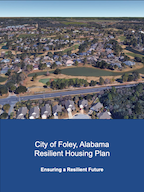
City of Foley, Alabama
Managing development pressure in hazard zones
View their plan
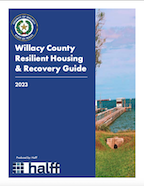
Willacy County, Texas
Resilience for economically vulnerable communities
View their plan
Who Should Use These Resources?
- Municipal Planning Directors preparing for federal funding applications
- Emergency Management Coordinators integrating housing into disaster plans
- Community Development Professionals advocating for resilient development
- Elected Officials wanting to understand community vulnerabilities
- Grant Writers demonstrating planning capacity for funding requests
- Regional Planning Organizations building resilience capacity across jurisdictions
Key Benefits
Faster Recovery
Pre-approved frameworks eliminate delays in critical decision-making when every day counts.
Enhanced Funding Access
Federal agencies prioritize communities with established resilience plans when distributing disaster recovery dollars.
Reduced Losses
Strategic land-use planning and improved building standards minimize damage when disasters hit.
Long-Term Savings
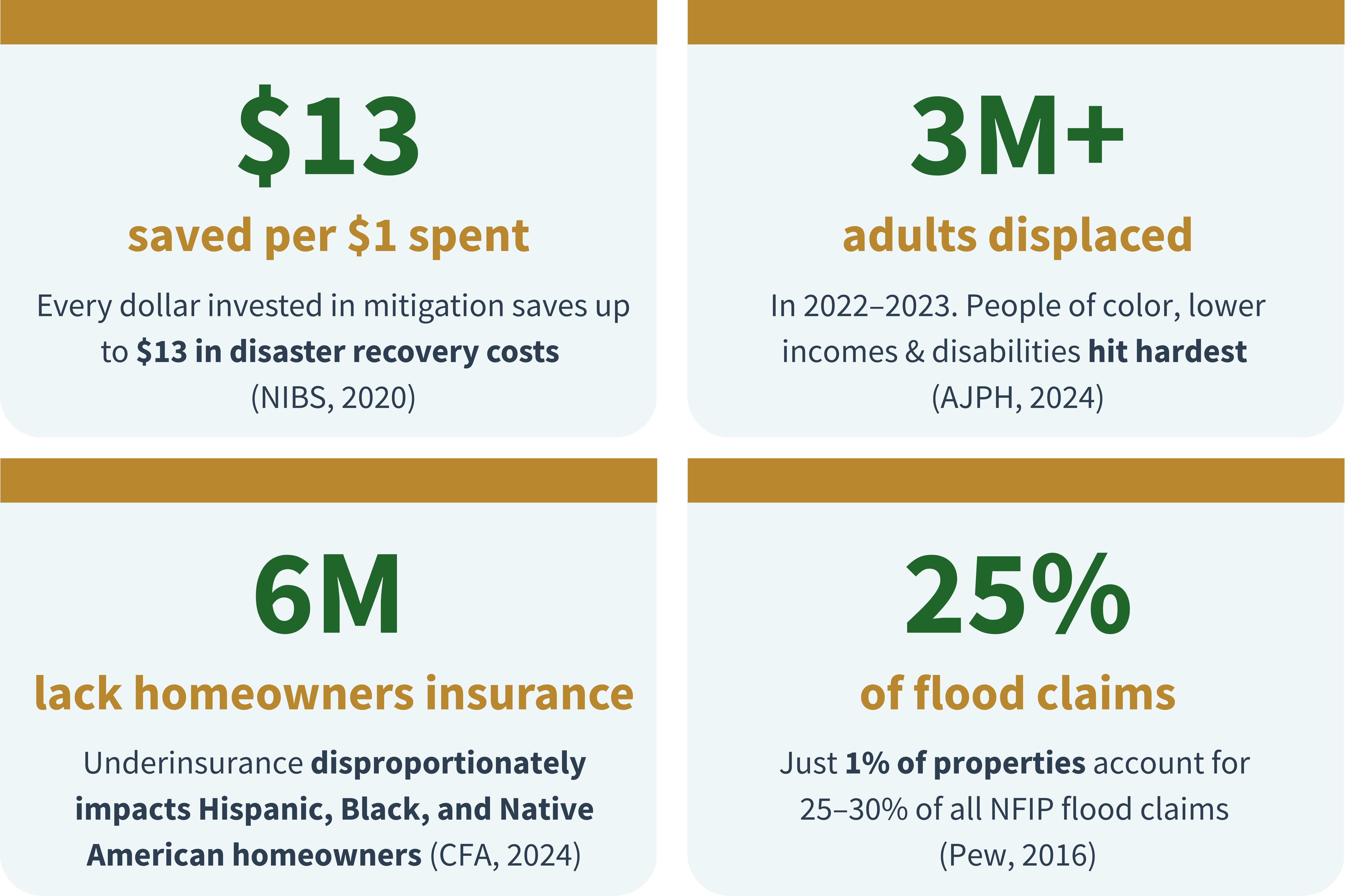
Every dollar invested in hazard mitigation saves $13 in disaster recovery costs.
FORTIFIED Construction Integration
Both resources include strategies for integrating FORTIFIED construction standards, which strengthen homes and buildings against severe weather. Communities that have adopted FORTIFIED standards report:
- 7% increase in home resale value
- 10–50% reduction in insurance premiums
- Significant debris reduction after storms (Fairhope, AL, saved over $240,000 in debris removal costs after Hurricane Sally)
Free Online Training Course
Take our self-paced online course to learn how to use the Resilient Housing Planning Guide and Workbook effectively. Get expert guidance on the planning process, implementation strategies, and lessons learned from pilot communities.
Frequently Asked Questions
Do I need to hire a consultant?
Not for the workbook, which is designed for self-guided use. For the full planning process, communities may choose to hire consultants for technical work like GIS mapping and plan compilation, though those with in-house expertise can complete it internally.
How much does it cost?
Costs vary based on community size, data availability, consultant involvement, and the scope of stakeholder engagement. The workbook helps you assess what you can accomplish with the resources you have.
Can we use these if we don't face coastal hazards?
Yes. The framework applies to any community facing natural hazards, including wildfires, earthquakes, tornadoes, floods, extreme heat, drought, or severe winter storms.
How does this relate to our existing plans?
Resilient housing plans complement and enhance existing comprehensive plans, hazard mitigation plans, and emergency response frameworks rather than replace them.
Does this qualify us for federal funding?
While a resilient housing plan doesn't guarantee funding, it significantly strengthens grant applications and demonstrates planning capacity for FEMA, HUD, and other federal programs.
Get Started Today
Download the Workbook
Start with a 2–4 hour assessment of your community's needs
Download the Planning Guide
Access the complete planning framework and technical methodologies
Contact Us
Have questions? We're here to help.
Related Resources
About This Project
Smart Home America developed these resources through a U.S. Environmental Protection Agency program to help communities plan for housing resilience before disaster strikes. The framework empowers communities to better understand their risks, identify mitigation strategies, expedite access to recovery funding, and focus rebuilding efforts on long-term resilience.
The time to plan for housing resilience is now, before the next disaster. Download your resources today.
Download the Workbook | Download the Planning Guide | Contact Us